

Journal·Projects
The Danger in Following Today’s Real Estate Trends in a Saturated Market
Projects · October 2026
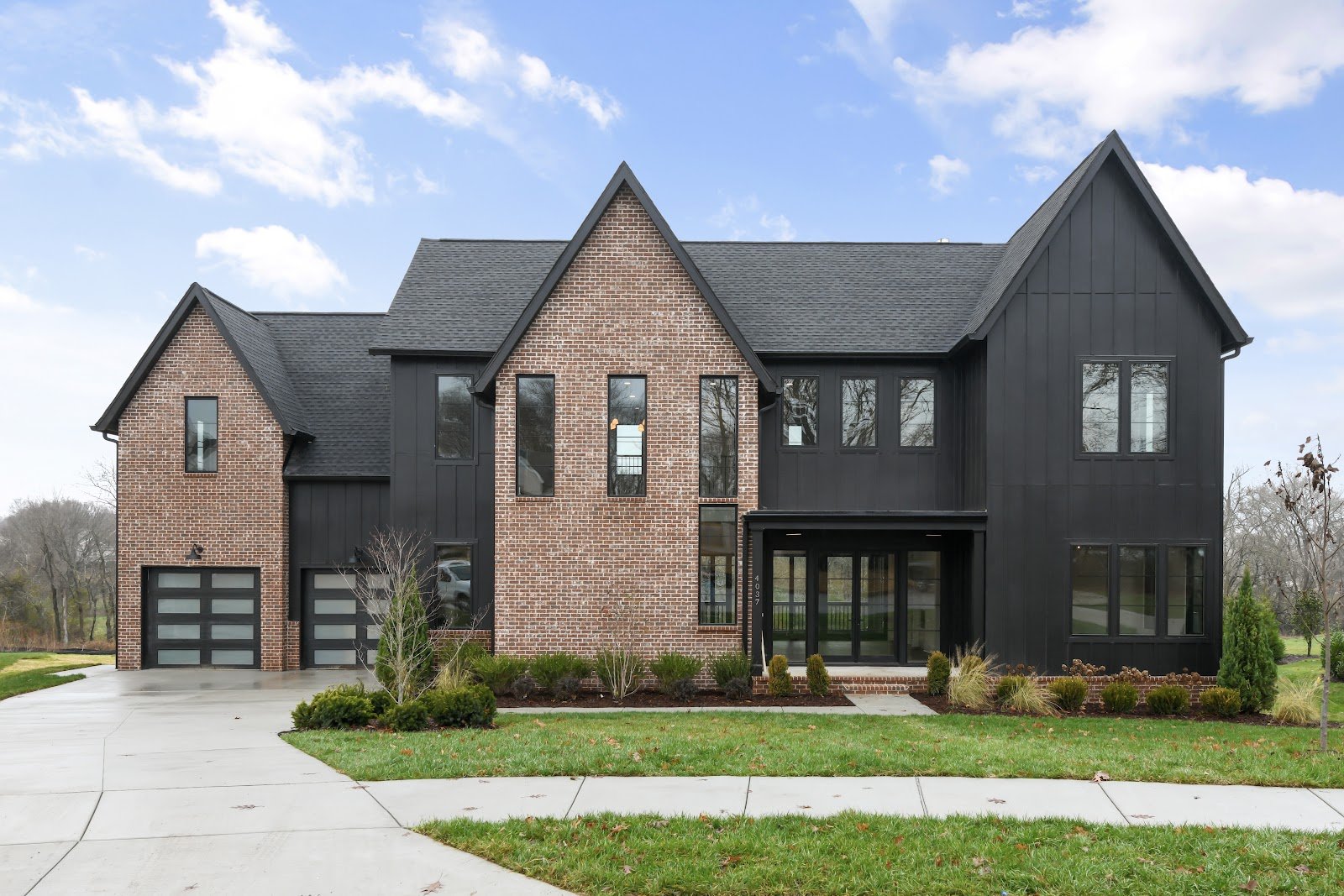
In today’s residential market, building a good house is no longer enough.
Buyers are often comparing homes in the same school district, at similar price points, with similar square footage, similar amenities and increasingly similar finishes. Builders study the same comparable sales. Realtors see the same market data. Everyone has access to the same trend reports.
The result is a marketplace filled with different logos selling increasingly similar houses. When the only meaningful difference between one builder and another becomes price, the conversation quickly becomes a race to the bottom.
At Binkley Designed, we believe architecture can give builders another reason to win. Not simply through creating a different-looking elevation, but by working closely with builders to develop a recognizable design identity—a point of view that buyers can begin to associate with their company, their communities and ultimately their brand.
A Builder Doesn’t Just Need a Style. It Needs an Identity.
There is an important difference between having an architectural style and having a design identity. Saying “we build modern houses” is a style. An identity goes deeper.
What should it feel like when someone approaches one of your homes? How should indoor and outdoor spaces connect? How should the home interact with the street and neighborhood? What should your floor plans do differently? What architectural details should buyers eventually recognize as distinctly yours?
A recognizable point of view is much harder for a competitor to copy than an elevation. That is the type of conversation Binkley Designed wants to have with its builder partners.
We aren’t interested in imposing a predetermined aesthetic onto every project. Our goal is to understand the builder, the buyer, the market, the construction realities and the long-term vision for the brand—and then curate an architectural language around those ideas.
The result should feel intentional rather than trendy.
The Danger of Designing From Today’s Comps
Market data is incredibly important. But there is an inherent problem with using today’s sales data as the primary tool for designing tomorrow’s homes.
What is selling today wasn’t designed today.
A successful home hitting the market now may have been conceived four, five or even seven years earlier. It took time to design, price, approve, develop, construct, market and sell. By the time enough sales data exists for the industry to confidently call something a “trend,” much of the original design opportunity may already have passed.
Copying what is performing well today can therefore mean designing tomorrow’s product using yesterday’s ideas.
Binkley Designed encourages its builder partners to look further upstream. That means studying not only comparable sales but also changes in how people live. It means looking at custom residential architecture, hospitality, boutique hotels, interiors, technology, wellness and ideas emerging in markets that may be several years ahead of your own.
The question changes from “What is selling?” to “What are people beginning to want that our market isn’t giving them yet?” That distinction can create an enormous competitive advantage.
Thoughtful Design Risk, Not Reckless Design
Standing out does not require reinventing the entire house. In fact, it usually shouldn’t.
Binkley Designed advocates for manageable design risk: keeping the fundamentals buyers already understand while strategically challenging one or two assumptions.
That could mean rethinking the arrival sequence. Creating a moment of architectural reveal rather than exposing the entire home from the foyer. Introducing courtyard living. Bringing outdoor spaces toward the front of the house. Incorporating screen walls, transitional outdoor rooms, interior windows or unexpected sightlines.
Small architectural moves can create more identity than simply adding another expensive finish package. And every decision should have a purpose.
Does it improve privacy? Encourage interaction between neighbors? Introduce better natural light? Simplify an everyday routine? Create a healthier relationship with technology? Give the buyer an emotional moment they will remember?
If a design decision doesn’t improve the experience of living in the home, it risks becoming a gimmick.
The process is straightforward: test the right idea in the right project, listen to the market, refine what works and then repeat the successful elements until they become part of the builder’s identity.
We’ve Seen What Happens When the Market Catches Up
Binkley Designed’s work with Carbine & Associates at Nature’s Landing is an example of this philosophy in practice. Years ago, the question was simple: What will make Carbine stand out?
Ideas influenced by broader national residential design movements were introduced into the Tennessee market, including Scandinavian, modern and transitional concepts that weren’t yet common locally.
There was pushback. But the homes looked different. The product became recognizable. And eventually, the market followed.
That experience illustrates something important: differentiation is never finished. Once an idea succeeds, other designers adopt it. Other builders adopt it. Buyers begin expecting it. What once differentiated a company eventually becomes the baseline.
Then the question has to be asked again: What’s next? That ongoing evolution is where a long-term relationship between builder and design partner becomes especially valuable.
Architecture, Construction and Sales Should Work Together
Great residential product doesn’t happen in a vacuum. Binkley Designed believes the strongest development process creates a feedback loop between design, builder and sales.
The design team identifies emerging opportunities and converts them into real residential product. The builder brings an understanding of constructability, cost and acceptable risk. Realtors bring direct knowledge of buyer objections, sales language and market response.
Each perspective matters. But yesterday’s comparable sale should not automatically dictate tomorrow’s architecture. The sales team also needs to understand why something is different.
Instead of telling a buyer, “This house has a screen wall,” explain that the screen wall creates a layered arrival, allowing the home to reveal itself gradually.
Instead of simply advertising a front courtyard, explain that the architecture was designed to connect outdoor living with the neighborhood rather than isolating every family behind the house.
Feature → reason → experience → story. That is how an unfamiliar architectural idea becomes something a buyer understands—and values.
Design as a Competitive Business Strategy
Binkley Designed has worked across custom homes, spec housing, show homes, multifamily, mixed-use, renovations and community planning, with an emphasis on creating residential architecture that feels original, timeless and responsive to its region.
The firm’s portfolio includes hundreds of homes across communities such as The Grove, Nature’s Landing, Governors Club, Kings’ Chapel and other developments, along with urban infill and historic renovation work.
That experience has reinforced a simple idea: Architecture shouldn’t just solve the floor plan. It should help solve the builder’s business problem.
For an established builder, that may mean evolving a recognizable brand without abandoning what has made the company successful. For a growing builder, it may mean creating an architectural identity for the first time. For a new community, it may mean finding one or two carefully calculated opportunities to introduce something buyers haven’t seen before.
The objective isn’t to create the strangest house in the neighborhood. It is to create the house people remember.
Become the Comp Everyone Else Studies
Large national builders can compete through enormous scale, purchasing power and efficiency. Smaller and regional builders have another advantage: agility.
They can be more intentional. They can respond more quickly. They can test ideas. They can create product with personality. And with the right design partner, they can stop simply studying the comps and begin creating the homes that eventually become the comps.
At Binkley Designed, that is the partnership we want to build. We work closely with builders to understand where they are today, where their market is headed and what their company should become known for five years from now.
Because the goal shouldn’t be to build the house everyone already wants today.
“The goal is to design the house people will wish everyone had been building five years from now.”
Adapted from Turner Binkley’s presentation, “5 Years From Now.” Firm background and portfolio references draw on Ed Atlas, “Not Your Dad’s Architect,” originally published by Brentwood Lifestyle in April 2023.